Between 1985 and 2016, Moss Point lost four major industrial employers: Walker Yards (100 jobs, 1985), International Paper (900 jobs, 2001), Morton Thiokol and Rohm & Haas (210 jobs at peak, 2001), and Halter Marine (225 jobs, 2016), 1,435 manufacturing jobs in all. The population fell from 18,420 to 11,890, and the school district shrank from 5,000 students to 1,600. A city that built ships, processed paper, and manufactured chemicals watched its economic base come apart facility by facility over four decades.
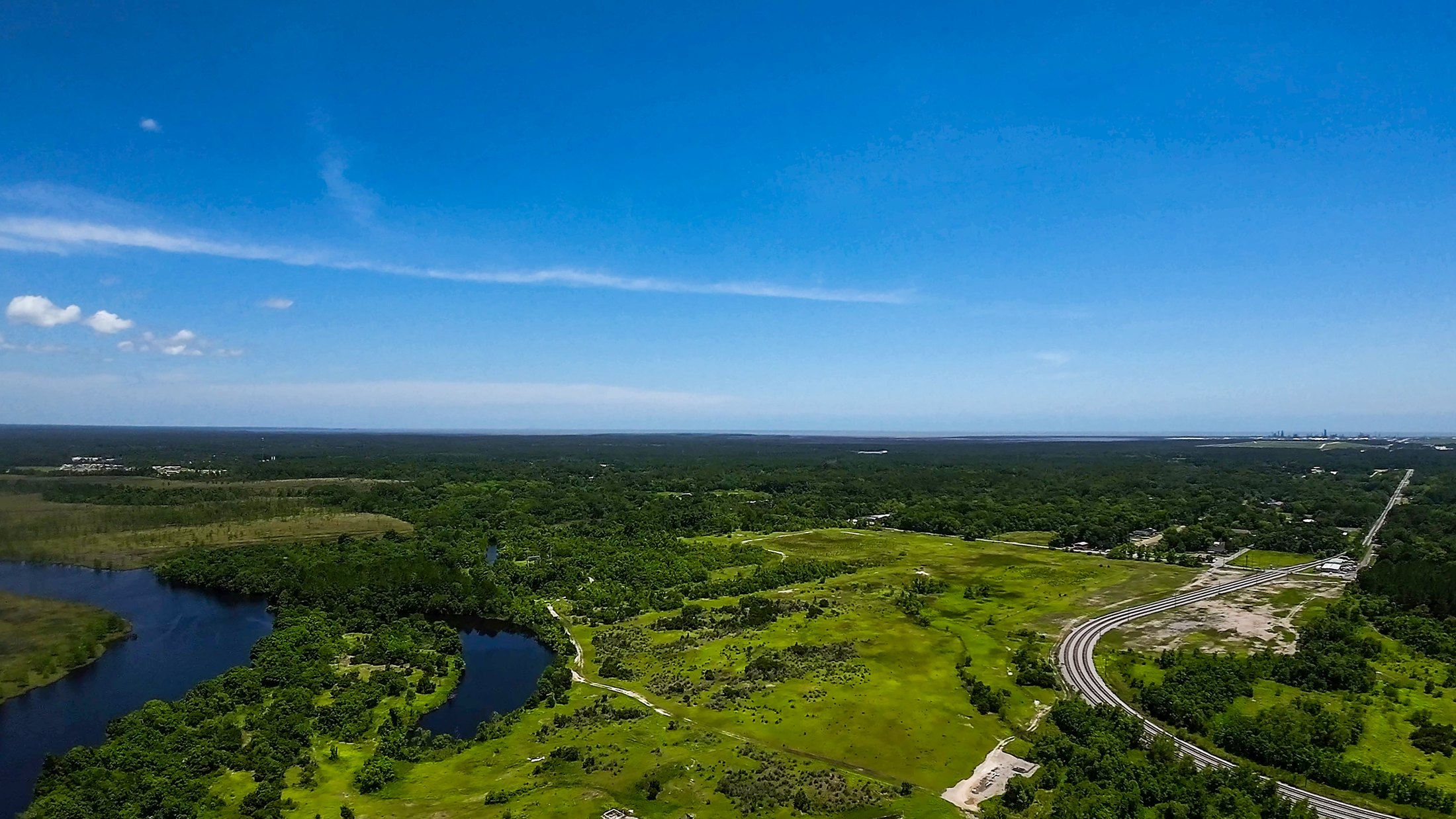
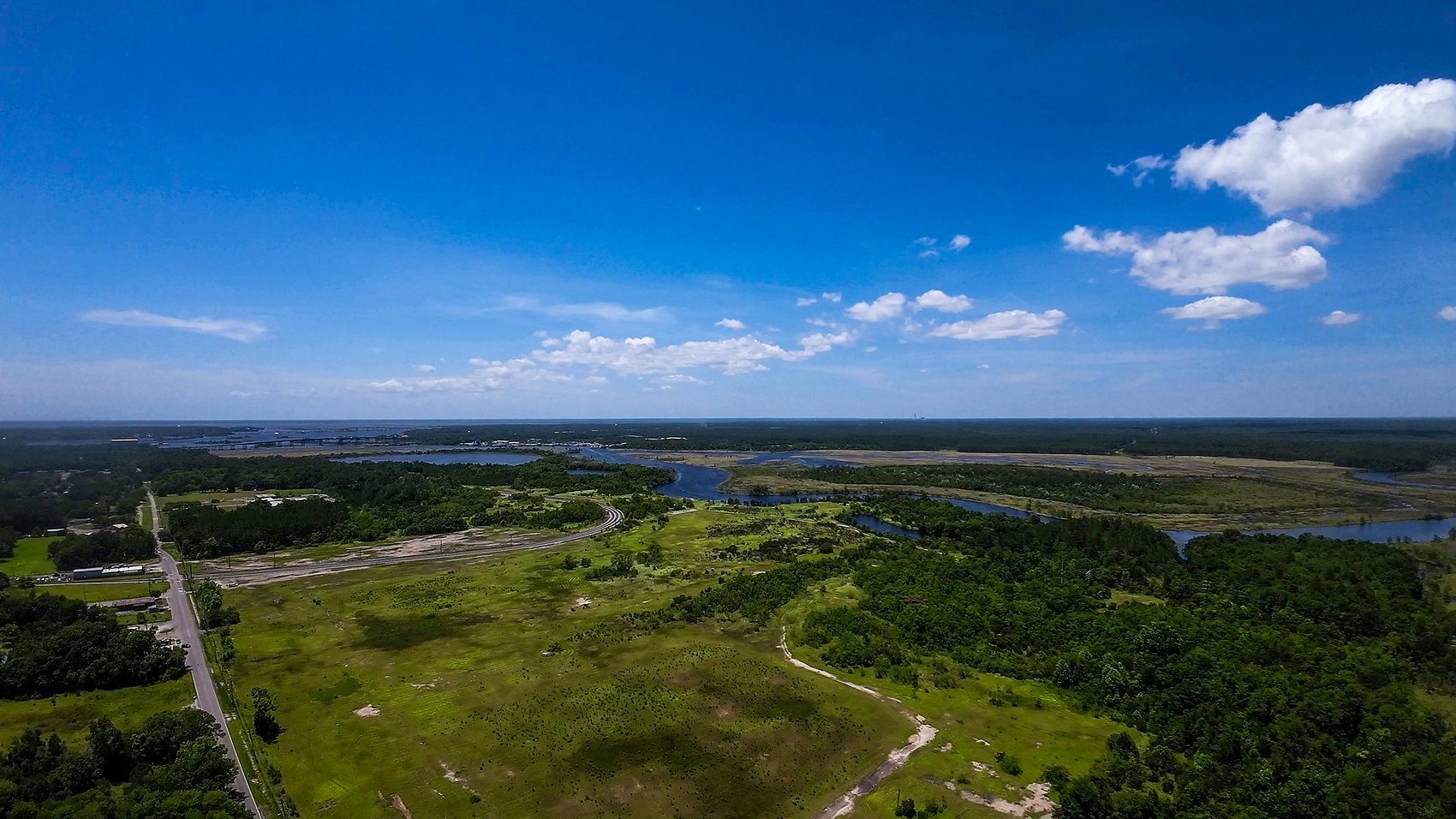
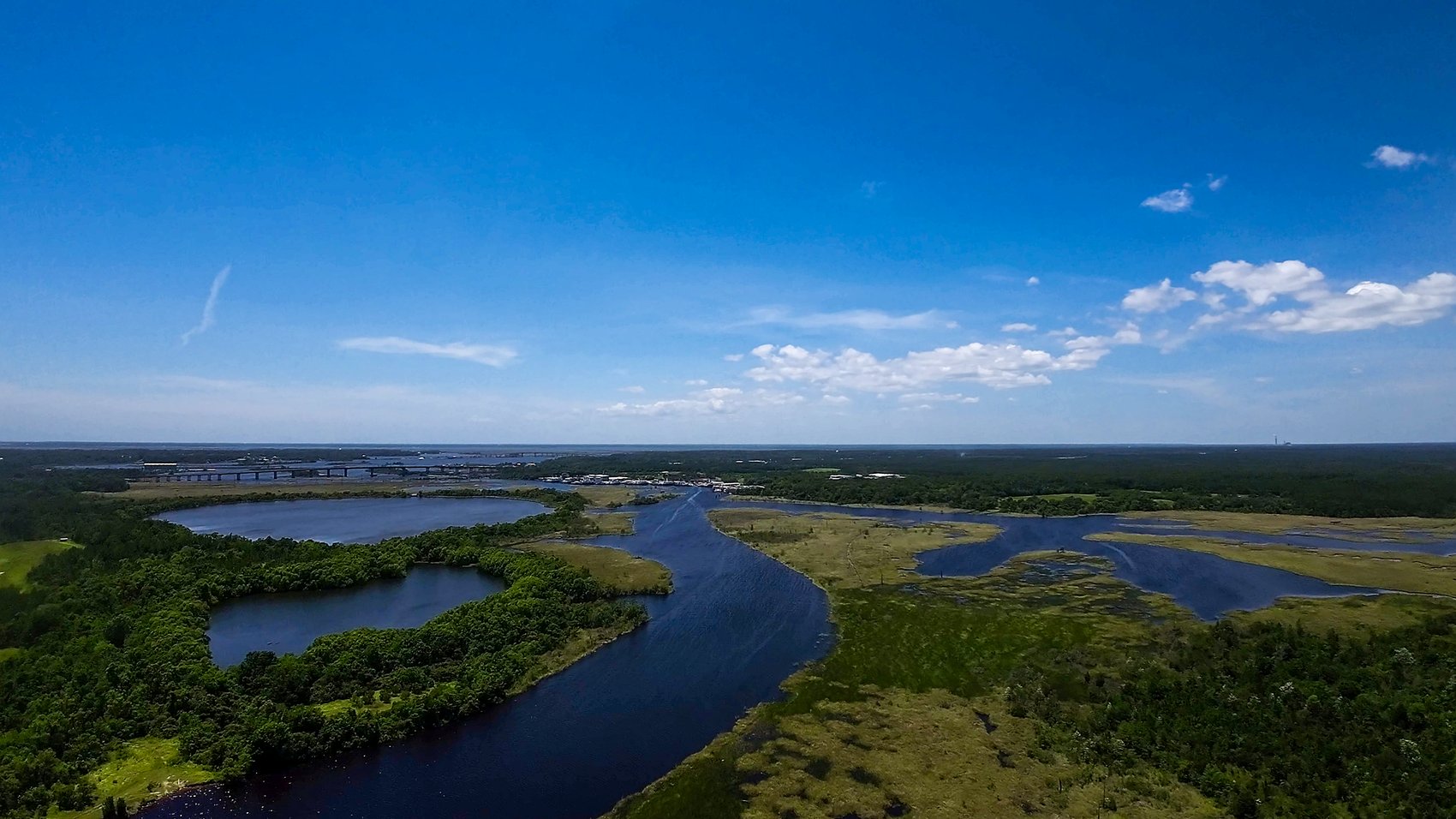
The Old Papermill site represents the physical footprint of that loss and the most significant brownfield redevelopment opportunity on the Mississippi Gulf Coast. The city's vision for it is industrial: a new manufacturing or industrial employer that puts a large, river-served tract back to work and starts rebuilding the job base the city spent four decades losing.
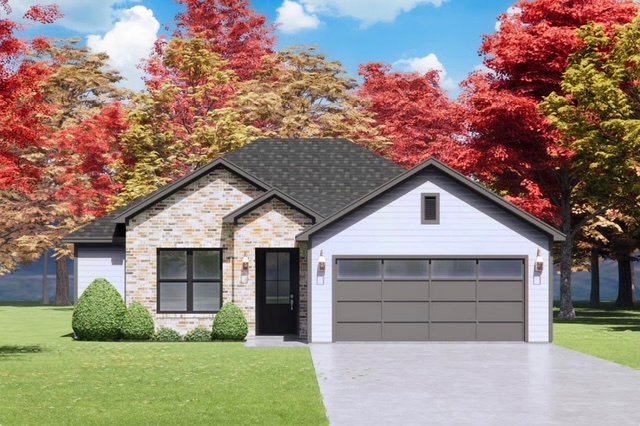
The opportunity is twofold, and the two halves reinforce each other. First, the site itself: a rare large industrial tract with river access and existing site infrastructure, ready for a new industry to build on. Second, the housing that industry requires. New jobs need workers, and workers need somewhere to live. Moss Point needs housing across the city, and Ward 1, where the papermill sits, is where that need is greatest. Put industry on the papermill site, and build the housing nearby and citywide to support it.
The brownfield tools are available. Mississippi DEQ runs an established brownfield credit program. Federal brownfield grants through the EPA are accessible, and state and federal incentives stack on top of the brownfield basis. The industrial user or developer who structures this correctly gets a large Gulf Coast site at a land cost basis no greenfield on the coast can match, in a city that has aligned its housing strategy to support the workforce that comes with it.